Can a Windshield Crack During The Winter?
- Details
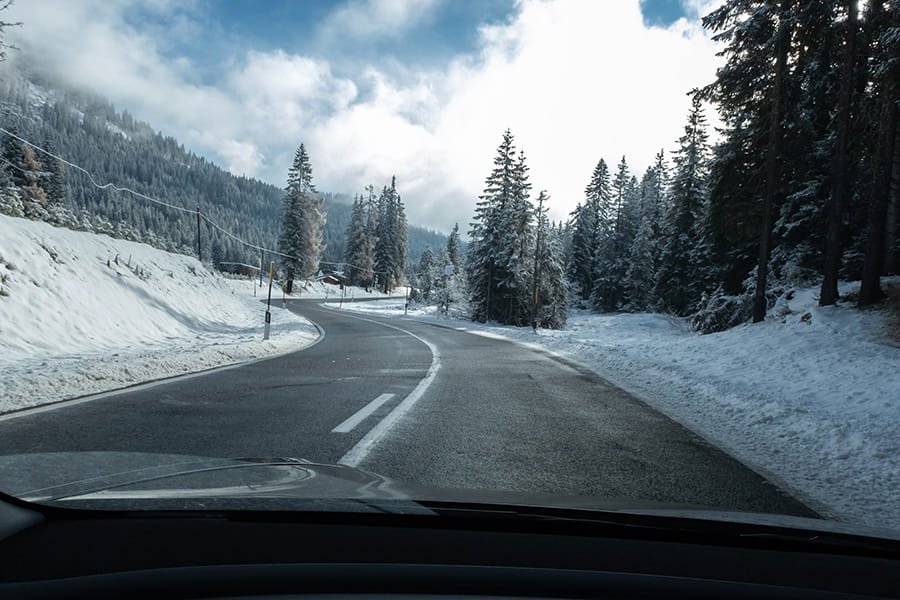
Your auto glass is designed to be durable and withstand all types of weather, but it's not indestructible. Daily travel and weather conditions can cause cracks in your windshield during winter. Knowing how to avoid risk factors and what to do if you notice any cracks or chips can help you stay safe on the road year-round.
Why Temperature Changes Can Cause Windshield Cracks
When temperatures drop during winter, automotive glass is subjected to significant stress. Windshields are made of laminated glass, which expands and contracts with temperature fluctuations. Rapid transitions from cold to warm can happen during the winter. Common actions that affect the windshield temperature include running the defroster too high or pouring hot water on an icy windshield, resulting in uneven expansion and cracks.
Chips or minor damage that may seem insignificant can become more vulnerable in cold weather. The contraction of glass in freezing conditions exacerbates these weak points, making them susceptible to spreading into larger cracks that affect your visibility and safety.
Winter Hazards That Compromise Windshields
When winter storms occur, the risk of windshield damage during travel can increase. Road salt and small debris kicked up by snowplows and passing vehicles can chip or scratch the glass. Be sure to check your washer fluid to keep your visibility from being compromised by salt build-up, and avoid driving too close to other vehicles.
Ice scraping tools, if used improperly, may also cause surface damage that can evolve into cracks. Where you park can significantly impact your auto glass. Parking outdoors makes your windshield more vulnerable during winter weather, especially under tree limbs or on streets where plows may travel frequently.
How to Prevent Windshield Cracks in Winter
To keep your windshield in optimal condition during winter, avoid sudden temperature changes. Use your car’s defroster gradually, allowing the glass to warm up slowly. Never pour hot water on a frozen windshield. When using an ice scraper on snow or ice, wait until it begins to melt with your defrost on low, then move the scraper across the windshield. Never tap on the glass with the ice scraper and apply gentle pressure.
Using a soft-bristled brush or flexible plastic scraper to remove snow and ice can reduce the risk of windshield damage. Parking in a garage, or in your driveway, and using a windshield cover can further protect your auto glass. Inspect your windshield regularly for chips or minor damage and address them promptly before they worsen.
When to Call an Auto Glass Repair Shop in Virginia
If you notice a chip or crack, it’s essential to seek professional auto glass repair as soon as possible. Small chips can often be repaired, but larger cracks may require a full windshield replacement to ensure your safety. In order to be safe on the road it’s crucial to be aware of the hazards of travelling with a cracked windshield.
Driving with a compromised windshield is risky, especially in winter conditions when visibility is crucial. A visit to Smiley’s Auto Glass can help you stay safe. Our certified technicians will evaluate and repair or replace your windshield, ensuring your vehicle is compliant with road safety regulations throughout the winter and every season. Our family-owned business makes customer satisfaction a top priority. Call us at (804) 320-7172 or contact us online to get started.