Can You Use Glass Cleaner on Car Windows?
- Details
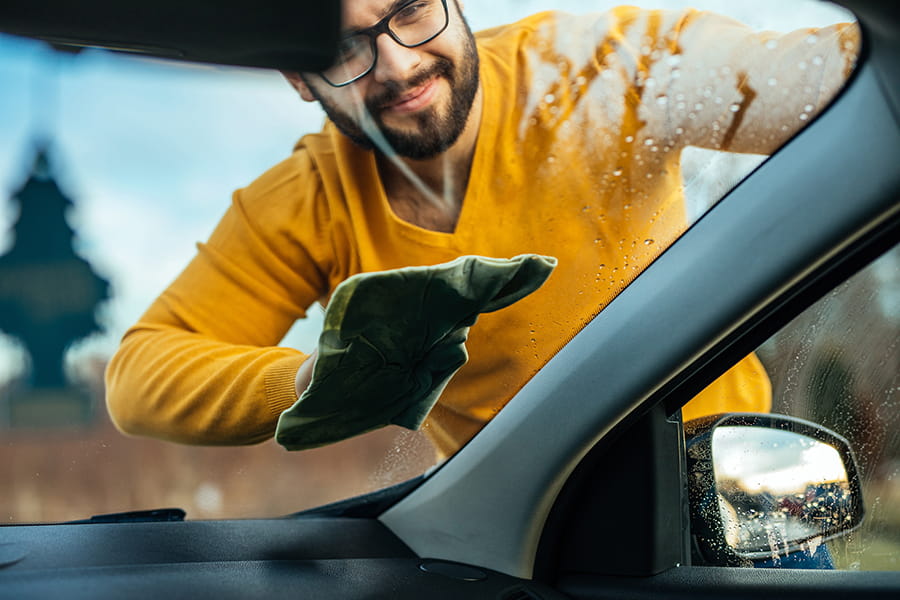
A quick trip to the drive-through car wash can clean the exterior of your auto glass, but when it comes to the interior, many aren’t sure what the most effective option is. Household glass cleaners and automotive glass cleaners are formulated differently, and using the wrong product on your car windows can cause streaks and damage tinted films. Before you grab the nearest spray bottle, it helps to understand what's actually in these products and how they interact with your vehicle’s glass.
Why Household Glass Cleaners Can Cause Damage
Most household glass cleaners rely on ammonia as their primary cleaning agent, which works fine on bathroom mirrors but creates problems on auto glass. The biggest risk is when your car windows have tint. Ammonia breaks down the adhesive and dye layers in aftermarket tint film, causing it to bubble, turn purple, or peel off the glass. Even factory-tinted windows, where the tint is built into the glass, can develop a hazy residue from repeated ammonia exposure.
Ammonia-based cleaners can also dry out and deteriorate rubber seals, weatherstripping, and plastic trim around your car windows. These materials already take a beating from sunlight and temperature shifts, and chemical exposure speeds up that wear. After a few months of regular use, you may notice cracking or shrinking in the rubber that's meant to keep water and wind noise out of your cabin.
What Should You Use to Clean Your Windshield?
Automotive glass cleaners are ammonia-free and often include ingredients that help repel water and reduce glare. They're designed to work safely on tinted windows, rubber trim, and the protective coatings found on modern auto glass. If you want a clean, streak-free finish without risking damage, these are the products to reach for.
If you prefer a simple homemade option, mix equal parts distilled water and white vinegar for routine cleaning. Distilled water prevents the mineral spots that tap water can leave behind, and vinegar cuts through road grime and bug residue without attacking tint or trim.
For your cleaning cloth, stick with microfiber towels. Paper towels and newspaper leave lint and can create fine scratches on the glass surface. Microfiber lifts dirt and absorbs moisture cleanly. If you have stuck-on stickers, follow our step-by-step guide on how to remove stickers from car windows.
Products to Keep Away from Your Auto Glass
Not every cleaning product is safe for every surface on your car. Avoid using these on your windows:
- Ammonia-based household cleaners, which break down tint and degrade rubber seals
- Abrasive cleaners or scrubbing pads, which can permanently scratch the glass
- Rain repellent sprays applied over a dirty surface, which trap contaminants and reduce clarity
- Concentrated dish soap, which strips protective coatings and leaves a filmy residue
How to Get a Streak-Free Finish in 4 Steps
A truly clean windshield takes a bit more care than a quick spray and wipe. These steps will give you the best results:
- Park in the shade or wait until the glass has cooled down, because cleaner evaporates too fast on hot surfaces and leaves streaks
- Spray your cleaner onto the microfiber towel instead of directly on the glass for better control and less overspray on your dash and upholstery
- Wipe in straight, overlapping lines from top to bottom rather than circular motions
- Flip to a dry section of the towel for a final buffing pass to remove any remaining moisture
Pay extra attention to the inside of your windshield, an oily film from dashboard off-gassing, dust, and moisture from your HVAC system. That film creates the blinding glare when sunlight hits your windshield at a low angle, and cleaning it regularly makes a noticeable difference in visibility during dawn and dusk driving.
When Cleaning Reveals Bigger Problems
A thorough cleaning often brings hidden damage into full view with small chips, cracks, or pitting that were masked by dirt becoming easy to spot on a clean surface. If you find a chip smaller than a quarter, windshield repair can usually fix it before it spreads into a full crack. Temperature changes and road vibrations cause small chips to grow fast, so the sooner you address them, the better.
Light surface scratches can sometimes be polished out, but deeper ones that catch your fingernail typically need professional attention. An experienced auto glass shop can tell you whether a repair will hold or if you’ll need a full windshield replacement based on where the damage is and how severe it is.
Protecting Your Glass Between Cleanings
A few simple habits go a long way toward keeping your windows in good shape. Replace your windshield wipers every six to twelve months. Worn blades drag grit across the glass and leave micro-scratches that trap dirt over time. Keeping a spare microfiber towel in your glove box also helps for quick wipe-downs when pollen or dust builds up between full cleanings.
A hydrophobic glass treatment applied after cleaning helps water bead and roll off your windshield while you drive, which improves rain visibility and makes your next cleaning easier. Most treatments last a few months before they need to be reapplied.
Auto Glass Repair in Richmond, VA
Smiley's Glass helps Central Virginia drivers handle chips and cracks before they spread, with reliable in-shop and mobile service. Our family-owned team has served the Richmond area for decades, offering trusted auto glass repair in Richmond, VA. Call us today at (804) 320-7172 or request a free quote online.