Can Your Vehicle Pass Inspection with a Damaged Windshield in Virginia?
- Details
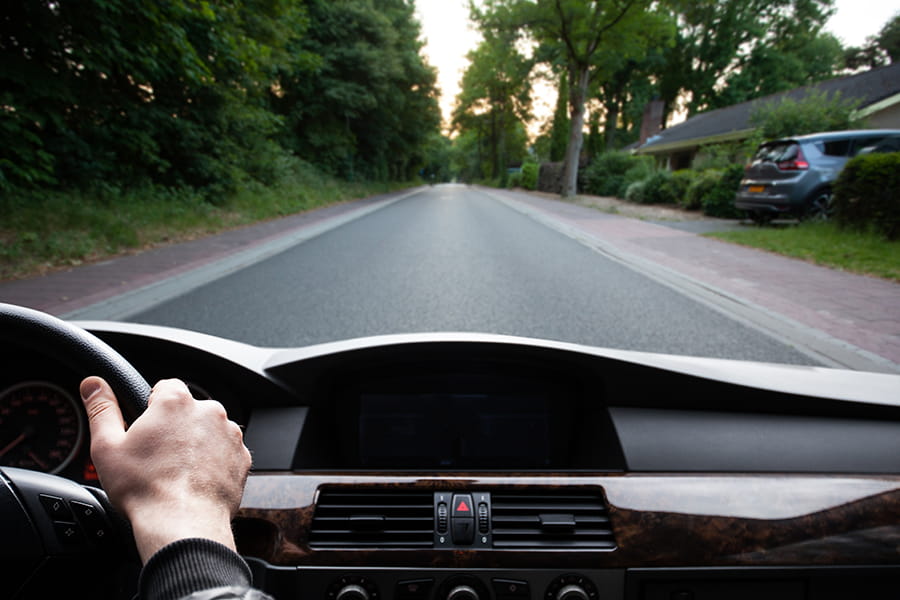
A damaged windshield is one of the most common reasons a vehicle fails its Virginia safety inspection, but not every chip or crack means an automatic rejection. Virginia uses specific size and location standards to determine whether auto glass damage is a safety issue or minor enough to pass inspections. Small damage low on the glass may pass, while cracks and chips in other spots will fail. Where your damage falls under the state rules determines the outcome, and understanding that ahead of time can save you a wasted trip to the inspection station.
What Virginia Inspection Rules Say About Windshield Damage
Virginia requires most registered vehicles to pass an annual safety inspection, and the windshield is one of the items an inspector checks closely. The glass standards come from the Virginia State Police regulations (19VAC30-70-210), and they focus on damage that blocks your view or weakens the windshield's structure. Inspectors do not reject a windshield simply because it has a mark on it. They measure the damage and check where it is located on the glass before deciding whether it meets the standard.
Two general rules apply everywhere on the glass, regardless of location. First, any glass that is cracked or broken badly enough that it could cut or injure someone in the vehicle is an automatic rejection. Second, any distortion, obstruction, or alteration that interferes with the driver's clear view through the windshield will also fail, which covers more than just cracks and chips.
The Three-Inch Reference Line
Virginia measures much of its windshield damage against a reference line three inches up from the bottom of the glass. The regulation defines the bottom of the windshield as the point where the top of the dashboard meets the glass, not the lowest edge of the windshield itself, so the three-inch line sits a bit higher than drivers sometimes expect.
Damage that sits below that line typically has less effect on your view and is treated with more leniency. Above the line, the rules tighten because that area covers your direct field of vision. Your windshield will be rejected if any of these appear above the three-inch line:
- A pit, chip, or star crack larger than one and a half inches in diameter
- More than one crack spreading from the same point, when at least one crack runs longer than one and a half inches
- Any crack that weakens the glass enough that one section can shift against another
That last condition applies anywhere on the windshield, not only above the line, because a crack that lets the glass move is a structural problem no matter where it sits.
When Damage Is in the Driver's Line of Sight
Damage directly in front of the driver draws the most attention during an inspection, even when it looks minor. A crack or chip in the main field of view can distort light and create glare that interferes with safe driving. The wiper-swept area on the driver's side carries its own rule as well: a scratch wider than a quarter inch and longer than six inches within that area will fail, since it wears into the glass along the path the wiper follows. That scratch rule applies to the swept area above the bottom three inches of the glass.
Addressing damage that is within the driver's line of sight will prevent a failed inspection for your windshield and help prevent other safety concerns. When large chips or cracks are evident, it not only obstructs your field of vision but can result in other serious hazards such as those detailed in our blog The Dangers of Delaying Auto Glass Replacement.
Repair or Replace Before Your Inspection
Virginia's inspection regulations recognize windshield repair as a legitimate fix rather than a temporary patch, which works in your favor before an inspection. The state notes that repair is meant mainly to stop or slow further damage from road debris, vibration, and temperature changes, and any repaired windshield still has to meet all the same standards to pass.
Small chips and short cracks caught early can often be filled and stabilized, restoring enough clarity and strength to clear the check. Larger cracks, damage that has spread into the driver's view, or a chip that has already weakened the glass typically calls for windshield replacement instead. A qualified technician can determine which path your damage qualifies for after a quick look.
What Happens If Your Windshield Fails Inspection
An inspector who finds disqualifying damage will place a rejection sticker on the windshield rather than an approval sticker. The rejection sticker gives you 15 days, plus the day of the inspection, to correct the problem and return for a reinspection. Driving on a rejection sticker does not exempt you from a ticket if an officer notices the defect, so it pays to act quickly. Here is what to do after a failed inspection:
- Schedule a repair or replacement as soon as the rejection sticker is issued
- Keep any paperwork that shows the work was completed
- Return to an official inspection station within the 15-day window for reinspection
Handling the glass early in that window leaves room in case the damage turns out to need more work than expected.
Are Any Vehicles Exempt From the Windshield Rule?
A narrow group of vehicles falls outside the standard inspection requirement, and antique cars are the main example. A vehicle 25 years or older that is registered as an antique through the Virginia DMV is exempt from the annual safety inspection. That exemption carries limits, since antique registration restricts the vehicle from general daily use, such as commuting to work. For everyday drivers, the windshield standards apply at every annual inspection, and planning is the simplest way to avoid a rejection.
Get Windshield Repair Before Your Virginia Inspection
Waiting until inspection day to deal with a cracked windshield often turns a quick fix into a failed inspection and a return visit. Handling the damage in advance keeps your vehicle road legal and spares you the 15-day scramble to correct it and reinspect. Smiley's Glass helps Central Virginia drivers handle chips and cracks before they spread, with reliable in-shop and mobile service. Our family-owned team has served the Richmond area for decades, offering trusted auto glass repair in Richmond, VA. Call us today at (804) 320-7172 or request a free quote online.