What to Do if Your Windshield Washer Fluid Freezes
- Details
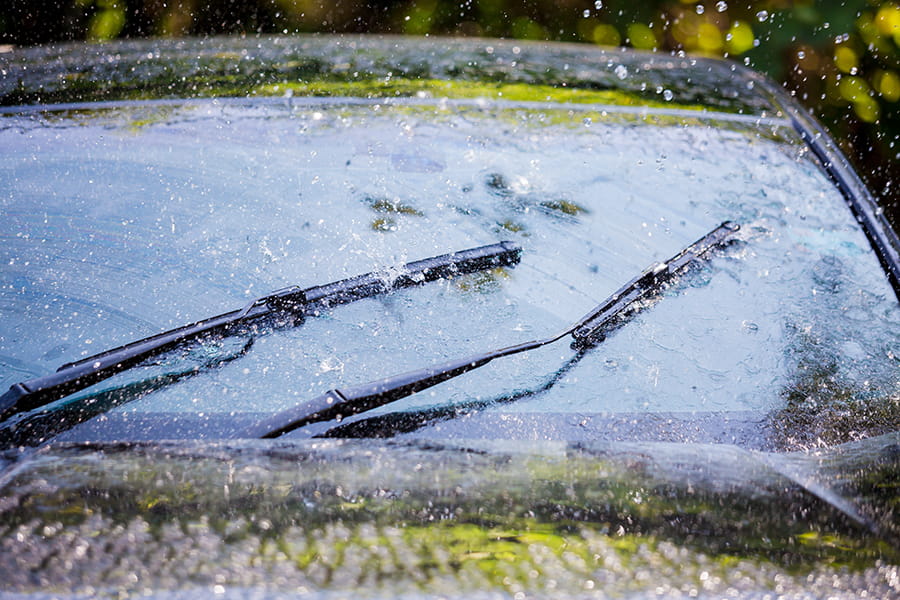
When windshield washer fluid freezes, it can be a major inconvenience, but it also poses a safety issue, often occurring at the most inconvenient times. Salt, dirt, and other road debris can accumulate on your windshield while traveling during winter weather.
When road grime builds up on your windshield and you're unable to wash it off, it can eventually impair your view as you drive. Keeping your fluid system functioning optimally is a crucial part of safety.
What Causes Your Windshield Washer Fluid to Freeze
Just as temperature can affect your windshield, it can also impact your windshield washer fluid. The root cause of freezing fluid occurs when temperatures drop below the freezing point of your washer fluid. This can result in the liquid turning to ice within your vehicle's washer reservoir, lines, and nozzles. Standard summer washer fluid or even diluted winter fluid can freeze at temperatures of about 32°F (0°C), leaving you with compromised visibility when you need it most.
The freezing process doesn't happen uniformly throughout your washer system. Fluids in the reservoir may remain liquid longer than the fluid in the narrow lines and spray nozzles, which are more exposed to cold air and have less thermal mass.
This may create a situation where you hear your washer pump running, but no fluid reaches your windshield because the lines or nozzles are blocked with ice.
Other factors contribute to premature freezing beyond just temperature. If you've recently topped off winter washer fluid with water or summer formula washer fluid, the antifreeze properties within the winter formula can dilute and become ineffective.
Safe and Effective Methods to Thaw Frozen Washer Fluid
The safest method to thaw frozen windshield washer fluid is to allow it to warm up gradually. If you have a heated garage with space for parking, turn the ignition off and leave your vehicle there for several hours. This method minimizes the risk of damage to plastic reservoir components or rubber hoses.
If you don't have access to a heated space, you can use your vehicle's heating system. Park in direct sunlight if possible, start your engine, and run the heater on high with the defroster setting engaged. This directs warm air toward the windshield and hood area where washer components are located.
Allow the vehicle to run for 20-30 minutes, checking periodically to see if the fluid has thawed. Once you've achieved partial thawing, add fluid to the reservoir to allow the antifreeze properties to melt any remaining ice in the system. Activate your washer pump in short bursts to help circulate the mixture, but don't run it continuously if fluid isn't flowing, as this can burn out the pump motor. Never leave your vehicle running unattended in an enclosed space due to carbon monoxide risks.
Preventing Windshield Washer Fluid from Refreezing
Prevention is easier than dealing with frozen washer fluid throughout winter. A few basic preventive steps go a long way in making winter driving safer. A simple and effective way to avoid freezing problems is to consider where you're parking.
If you regularly park outdoors overnight, your washer system faces exposure to cold temperatures. If outdoor parking is unavoidable, face your vehicle toward the morning sun if possible, to provide natural warming that can make a significant difference.
Establish a pre-winter maintenance routine that includes checking your washer system. Your vehicle's manufacturer or your dealership should have specifications to maintain your washer fluid system.
Keep an eye on your windshield washer fluid level, and keep it topped so it will be less likely to freeze. Simple preventive maintenance takes only minutes but can save you frustration during the winter months.
Choosing the Right Winter Washer Fluid for Your Climate
Washer fluid is available in seasonal formulas designed for different weather conditions. The winter formula has an anti-freezing additive and can be used year-round, rather than switching back and forth from summer to winter fluid. The key is to check the freeze point temperature, which is displayed on the product label.
A fluid rated for -20°F (-29°C) works well for moderate winter climates, but if you live in areas where temperatures regularly drop below this threshold, invest in a fluid rated for -40°F (-40°C) or lower. Remember that these ratings indicate the temperature at which the fluid begins to freeze. For optimal performance, choose a fluid rated at least 10°F below your area's typical winter lows.
For those seeking environmentally conscious options, several manufacturers produce biodegradable winter washer fluids that perform comparably to traditional formulations. These products use less toxic antifreeze compounds and biodegradable detergents, reducing environmental impact when the fluid is used.
Auto Glass Service in Richmond, VA
Safe driving is dependent on keeping your auto glass intact. Any visible damage can result in a safety hazard. Replacement or repair should be handled by the expertise offered by an auto glass shop.
If you’re experiencing damage to your auto glass, reach out to Smiley’s Auto Glass. Our family-owned shop offers reliable in-shop and mobile services to fit your schedule. Contact our team today to schedule your service at (804) 320-7172 or visit us online for a free quote.